CryptoWallets and self-custody
Nimbus card Apple Pay
Some crypto cards issued by Nimbus refuse to load on certain iPhones while working on other devices. Support cannot fix it, and a second phone can.
In this article
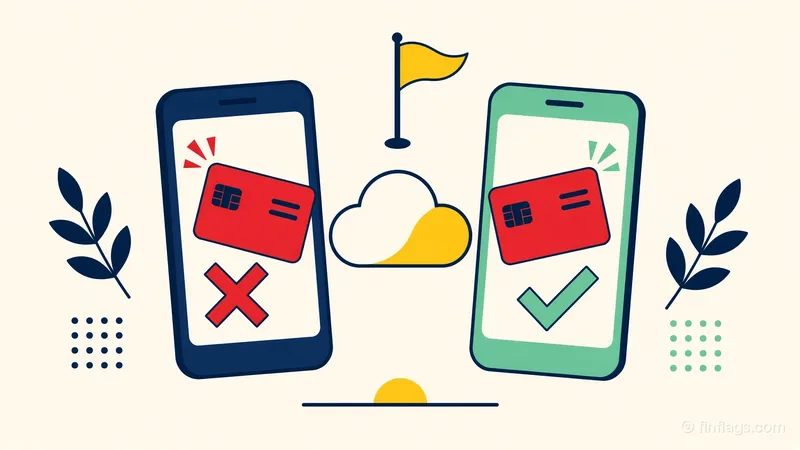
Customers of crypto card apps whose cards are issued by Nimbus reported throughout August 2026 that the cards would not add to Apple Pay. The same cards added to Google Pay without problems.
Where the failure happens
The problem appears at tokenization. When a card is added to a phone wallet, the card number is replaced by a device token. Apple, the card network and the issuer all take part in that step, and each runs its own anti-fraud checks.
A card can fully support Apple Pay and still be refused on one particular iPhone. The same card often adds to a different device on the first attempt. The refusal is tied to the device and the account, not to the card product.
Three parties in one tap
Apple describes the process in its platform security documentation. When a card is added to Wallet, the card number goes, encrypted, to Apple’s servers and on to the card network. The network or its token service, Visa Token Service for Visa cards and Mastercard Digital Enablement Service for Mastercard, then asks the issuer whether to approve.
If the issuer agrees, the network creates a Device Account Number, a substitute card number tied to that phone. Apple stores it in the Secure Element, a separate chip in the iPhone. The real card number is not kept on the device or on Apple’s servers.
| Party | What it checks | Can the card app override it? |
|---|---|---|
| Apple | Device, Apple Account, region, signs of abuse | No |
| Card network | Token request, issuer and program rules | No |
| Issuer | Cardholder, card status, its own risk score | Partly, for its own step |
The issuer can approve the card directly, ask for an extra check such as a one-time code, or decline. When Apple or the network declines first, the issuer’s app never sees the request in a form it can change, which is why support cannot help.
For more on Nimbus, read our article “Nimbus card FX fee”, from November 21, 2026.
What Apple tells users to check
Apple’s support guidance for cards that will not add to Wallet covers a short list. The iPhone must run the latest version of iOS, the user must be signed in with an Apple Account, the device region must be one where Apple Pay works, and the card issuer must take part in Apple Pay.
Prepaid and crypto card programs often run through a small number of issuers and processors that serve many brands at once. A wave of refusals across several apps at the same time points to a decision at the program level rather than a fault on each phone.
What helps
There is no universal fix. In reported cases the problem cleared on its own after one to three months. The other working route is to add the card on another device.
Card support cannot override the decision. The checks sit with Apple and the network, outside the issuer’s app.
Google Pay has its own limit: a wallet holds at most 20 cards. Heavy users of crypto cards hit that ceiling and must remove old cards to add new ones.
A second phone
Customers who rely on several crypto cards benefit from holding both an iPhone and an Android phone. iOS offers strong security. Android installs any app, including apps unavailable in a given App Store region, and some financial apps work only on Android.
The second device does not have to be expensive. A used iPhone SE from 2022 covers Apple Pay and still receives iOS updates. The iPhone 8, which is cheaper, no longer receives updates. For iPhone owners, a used Google Pixel 8a runs stock Android and supports two active eSIMs at once. Google promised seven years of Android and security updates for the Pixel 8a when it launched in May 2024.
What self-custody crypto cards charge to pay in dollars, euros and pounds is set side by side in our crypto card comparison.
This article covers Nimbus, Apple and Google. Written by Mary Jane, our lead journalist, and checked by the Finflags editors. The date above is the date of the event. Fees, limits and terms change: tell us if something here is out of date.