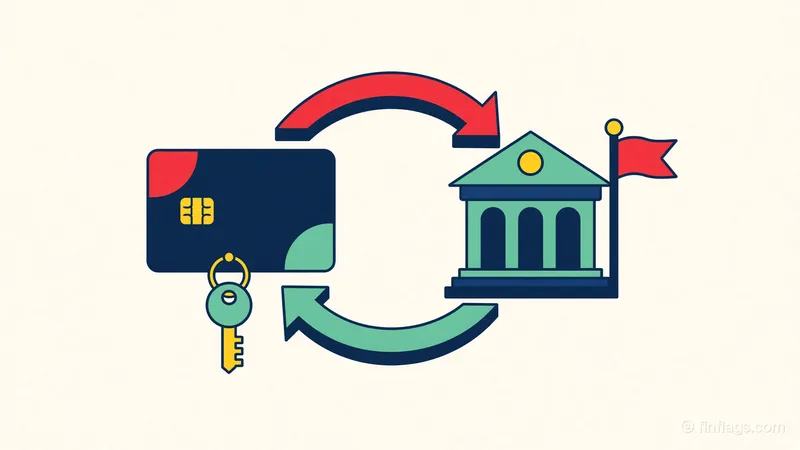
Crypto fintech stablecoins and how the apps earn
The dollar balance in a crypto app is often the company’s own token. The interest on its reserves goes to the app, and the user rarely sees it.
In this article
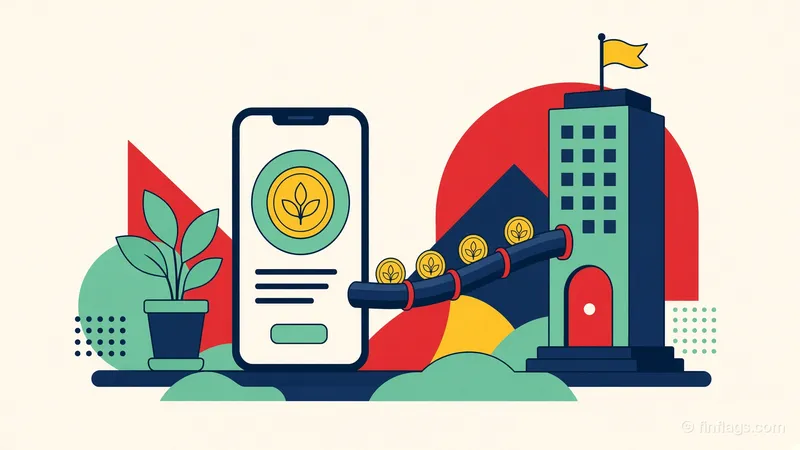
Many crypto fintech apps now issue their own dollar stablecoins. The reason is income. A company that issues a stablecoin earns interest on the reserves behind it, and that interest would otherwise go to Tether or Circle.
The model below was described by a fintech that issues its own stablecoin. The numbers in the examples are illustrative.
Interest on reserves
A dollar stablecoin must be backed by real money so that holders can redeem it for dollars. Most of the reserve is not cash in an account. A large share sits in short-term US Treasury bills, which paid around 4.5% a year in 2026.
The holder keeps the token. The issuer keeps the yield on the reserve.
A fintech does not need to build this infrastructure itself. Companies such as Bridge issue stablecoins on behalf of clients, manage the reserves and handle redemption for dollars.
Take a hypothetical app that issues a token called USDX. The founders deposit USD 1 million and receive 1 million USDX. Under the contract with the issuing partner, the app receives part of the reserve income, for example 3% a year. If the million stays in the system for a year, the app earns USD 30,000.
Buying USD 1 million of USDT does not produce this income. Tether keeps the reserve yield. A share of it requires a separate agreement with the issuer.
Credit cards backed by crypto
The second source of income is lending. A customer deposits USD 1,000, and the app lets them spend USD 700 on credit against it. That is a loan-to-value ratio of 70%. The deposit stays untouched as collateral.
Interest on the credit line starts from the first day at some providers. Others offer a grace period.
A custodial app can also put the collateral to work. It can hold the collateral in its own stablecoin and earn the reserve yield on top of the interest. Nexo uses a model of this kind.
A non-custodial app cannot move collateral into Treasury bills, because the funds sit in smart contracts it does not control. It can place them in a lending protocol such as Aave at 6% to 7% a year and pass 3% to 4% to the customer. ether.fi uses a model of this kind.
The lender earns for the whole period the credit is used, not only when the customer misses the grace period. The collateral protects the app if the customer stops paying.
Interchange on card payments
Every card payment carries a processing fee, and part of it goes to the bank that issued the card. This is the interchange fee. A fintech that runs a card program negotiates a share of it with the issuing bank.
The share depends on the country, the card type and the purchase. In some countries interchange reaches 1% to 2%. In the European Economic Area it is capped at 0.2% for debit cards and 0.3% for credit cards on most consumer payments.
Cashback in the company’s own token
Cashback of USD 10 paid in USDC costs the app USD 10. The same USD 10 paid in the app’s own token can cost far less, because the tokens were set aside for rewards in advance.
The customer who wants cash must sell those tokens, and someone must buy them. Apps therefore reward holders who keep the token, or release cashback on a delayed unlock schedule so that fewer people sell. Market makers are hired to manage supply and demand.
Cashback in an app’s own token is always cheaper for the issuer than cashback in USDC or USDT. For the customer it is worth less, because its value depends on the token price.
Where the money goes
A crypto fintech earns from the stablecoin reserve, from credit and from interchange. Those revenues pay for the service and for customer rewards. The rest is profit.
A customer sees a dollar balance in the app. The app does not show which stablecoin sits behind it or who receives the interest on its reserves.
This article covers Bridge, Nexo, Ether.fi, Aave, Tether and Circle. Written and checked by the Finflags editors. The date above is the date of the event. Fees, limits and terms change: tell us if something here is out of date.