Altery account opening for non-EU citizens in the EU
The fintech checks location and address at sign-up, and a mismatch turns a five-minute onboarding into a request for residence papers
In this article
Altery, a payments fintech with personal and business accounts, verifies non-EU citizens who live in the European Union on the strength of their passport and their EU address. In September 2026 that included Russian citizens with a home address in an EU country. A residence permit was not always requested at sign-up.
A new passport sets the useful life of the account. With a passport valid for ten years, the account can run for the same period before the identity document has to be renewed.
Who stands behind the account
Altery holds an electronic money authorization from the UK Financial Conduct Authority. Customers in the EU are served by its Cypriot company, which answers to the Central Bank of Cyprus. Both are payment companies, not banks. Money held with an electronic money institution is safeguarded in separate accounts but is not covered by a deposit guarantee scheme.
Since 30 September 2025 Altery customers have received Maltese IBANs issued through OpenPayd, a payments provider licensed in Malta, in place of the earlier British ones. The switch is described in the Altery review.
| Feature | Terms for EU residents in 2026 |
|---|---|
| Euro IBAN | Personal Maltese IBAN through OpenPayd |
| Transfers | SEPA, including SEPA Instant, and SWIFT |
| Card | Visa debit, virtual and physical |
| Card foreign exchange | Visa rate plus 1.6% |
| Crypto | Not available to EU residents since the end of 2025 |
Altery did not obtain a MiCA licence in Lithuania and stopped offering crypto to EU customers at the end of 2025. Customers outside the EU kept crypto access under its Canadian licence. The crypto changes are covered in Altery’s fiat to USDC withdrawals.
How Altery verifies
Altery’s help center lists four stages for a personal account: identity document, selfie, proof of address and a questionnaire. The accepted identity documents depend on the country of residence.
In some cases Altery also asks for a residence permit or a check against a government database. Each document can be used only once in the process, either as identity or as address proof.
Altery accepts proof of address such as utility bills, home insurance, tenancy agreements, government residence certificates and tax returns. Most must be dated within the last 12 months. Bank statements and utility bills must be within three months.
What decides the outcome
Users who passed verification in September 2026 reported the same conditions:
| Factor | What works | What triggers extra checks |
|---|---|---|
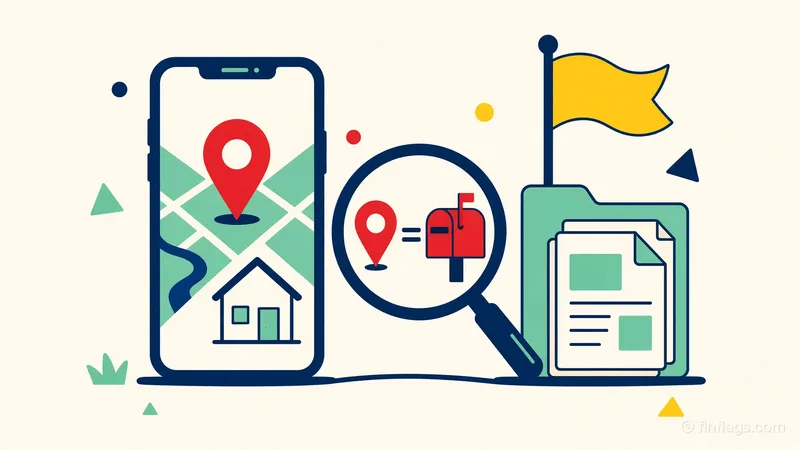
| Location during sign-up | Within about 5 km of the declared EU home address | A VPN or a location far from the address |
| Citizenship and residence | Citizenship declared truthfully, an EU country chosen as residence | Residence or income declared in Russia leads to rejection |
| Address entry | Address picked from the drop-down list without edits | Address typed by hand or edited |
| Identity document | Almost any valid passport | Inconsistencies between documents |
Sign-up works in the Altery mini-app inside Telegram and in the mobile app. The Telegram route was the smoother of the two in 2026.
When things go wrong
A mistake during sign-up leads to a request for proof of address and a residence permit. An applicant who cannot provide them is not onboarded. Proof of address must match the address entered at sign-up.
Altery also reviews accounts after opening. Any mismatch between the declared data and later activity brings a request for documents. An account that fails that review is closed.
The safest application is a truthful one, from the applicant’s real EU address, with documents ready in case of a follow-up. Applicants who want a fintech that asks for less at the start can compare self-custody options such as the Avici card, which add a personal IBAN through a partner bank.
This article covers Altery. Written and checked by the Finflags editors. The date above is the date of the event. Fees, limits and terms change: tell us if something here is out of date.